

Publishing
Just Press Play To Hear The Piece.
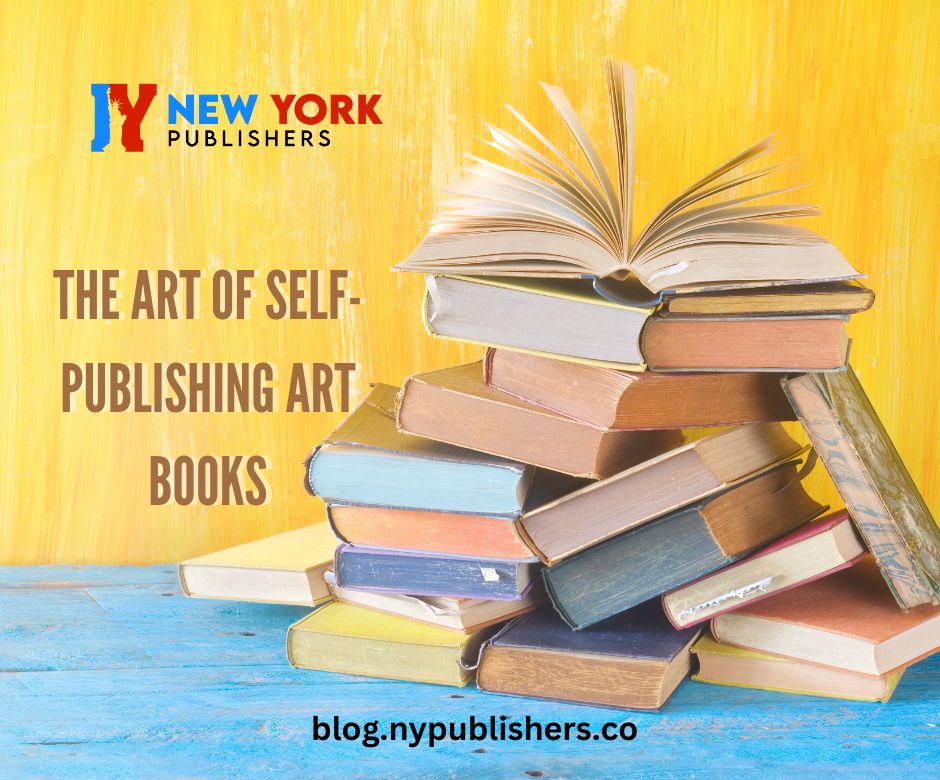
Art publishing has become a powerful tool for artists who wish to control every aspect of their creative journey. By taking charge of the process, artists can maintain their artistic vision, ensure quality, and retain ownership of their work.
Additionally, self-published art books can provide a more accessible and affordable medium for art lovers to experience and collect artists’ works, reaching a wider and more diverse audience.
1-Basics Steps for Art Publishing:
1.1- Gather Your Documents:
Your art book doesn’t have to be monochromatic if you’re a skilled artist; you may explore various topics, as detailed in Capturing Moments: Self-Publishing a Photography Book This being the case, there are three crucial questions you must ask:
- What is the main point of my book?
- Which artwork would you want me to incorporate?
- What format should my book be in?
Creating categories for your artwork based on topic, theme, aesthetic, color, and/or composition will help you narrow your selections. After sorting it in this manner, you can better see how your artwork fits together and what elements stand out.
From there, you can start to arrange your print files to create the finished output.
2- Research the Market:
You may start investigating your market after formally choosing the artwork for your book, similar to strategies discussed in How to Make Millions Writing a Book. and having an idea of the style or topic. Go ahead and answer these questions first:
- Who I’m writing for?
- What is the best way to find my target audience?
- In what position is the art book industry?
- What is the going rate for a typical art book?
- How did you get your hands on those?
- When is the best time to launch my art book?
- Does a certain season or time of year see a spike in book sales?
Gathering this data will allow you to begin developing a marketing plan.
3: Formulate a Plan for Advertising:
According to research, having a marketing strategy in place before beginning the book printing process is crucial. Planning the number of copies to print is easier if you give readers a taste of your book’s release a long time before you want to publish it.
This will give you a good sense of how many copies to order. How the book business perceives your potential for future revenues is heavily influenced by your first month’s sales?
If you’re thinking about art publishing, you may not realize how many additional promotional chances there are for an art book.
Having an existing social media following makes obtaining exposure much easier, as outlined in Guided Success: The Role of a Self-Publishing Consultant.; for instance, many artists rely on Instagram as a venue to display their work.
You may post ads on your website and social media to get your art book in front of people already familiar with your work.
4-Pick Options for Good Print Quality
There are many ways to make art books, and many people use them as works of art on their own, making them the center of attention on the coffee table. This is why you should be careful about which print materials you pick so that they best show off the quality of your art and drawings.
Quality is important for a professional look and to sell lots of books.
Pick a closure that will last a long time with little wear and tear, leveraging tips from 14 Steps to Self-Publishing a Book. Because of these factors, hardcover printing is a common way to combine picture books.
When making any book, paperback binding is still a popular choice if you want to make one that costs less initially.
Understand Some Basic Before Thinking of Art Publishing:
Below are the preferences of publishing companies in new york defined for better understanding:
4.1-Context of Art:
Writers aiming to create an art book must deeply understand the creative background, as discussed in Creating Childhood Wonders Self-Publishing Board Books. An artwork’s historical, cultural, and artistic context is crucial to its understanding.
Writing about an artist’s biography, inspirations, and sociopolitical context might help readers understand the artist’s objectives and motives. The ability to place one’s work within a larger framework is greatly enhanced by familiarity with current creative trends and movements, which provides a more holistic view.
The author enhances the book by providing background information and helps the audience grasp the artwork’s relevance to its era.
4.2-Data Visualization
To compose an excellent work for art publishing, one needs a solid grounding in visual analysis, as explored in Drawing Success: The Journey of Self-Publishing a Comic Book. By breaking down many aspects of an artwork, such as its composition, color, shape, and texture, writers can understand its visual language.
Their keen eye for detail lets them describe the interplay between these components and how they express ideas, stories, or emotions. Writers may transport readers to the artwork even if they can’t physically hold it by describing its arrangement of shapes, colors, and textures.
This kind of analysis enhances readers’ comprehension by bridging the gap between visual and textual elements.
In addition, by breaking down the artist’s technique step by step, the authors bring the audience inside the artist’s creative process. Consequently, the authors play the role of tour guides as the art book opens a portal into the artist’s universe.
4.3-Terminology in the Arts
Clear and successful communication with readers is achieved by the precise and knowledgeable use of specialist phrases that include creative processes, media, and ideas. Skilled writers with this language may highlight the technical components of art by conveying details that might be missed without it.
Whether you’re analyzing chiaroscuro in Renaissance painting or the dynamic movement of kinetic art, using precise terminology elevates the study and helps readers grasp the subject better.
Furthermore, writers can engage in thought-provoking conversations with their art publishing, which helps establish their authority within the art world.
Critical Factors Decoded
| Stage | Description | Key Considerations |
|---|---|---|
| Gather Your Documents | – Choose artworks and define the book’s theme | – Main point, artwork selection, book format |
| Research The Market | – Understand the target audience and industry trends | – Audience identification, art book pricing, ideal launch timing |
| Plan For Advertising | – Develop a marketing strategy before printing | – Anticipate sales, utilize social media, create online ads |
| Pick Print Quality Options | – Select materials and binding methods to showcase art | – Choose between hardcover and paperback for durability vs. cost |
| Context Of Art | – Provide background on the artwork’s historical, cultural, and artistic context | – Artist biography, inspirations, sociopolitical context |
| Data Visualization | – Analyze and describe the artwork’s visual elements | – Composition, color, shape, texture analysis, artist’s technique |
| Terminology In The Arts | – Use specialized terms to discuss creative processes, media, and concepts | – Understand and correctly use art terminology |
Conclusion:
Self-publishing art books also allow for exploring innovative formats, design options, and storytelling techniques, adding an extra layer of creativity to the final product.
With the right combination of talent, creativity, and entrepreneurial spirit, art publishing books can be a transformative and fulfilling experience, as detailed in The Pros and Cons of Self-Publishing for artists seeking to leave their mark in the art world.