

Writing
Click the audio play button to hear the entire article!!!
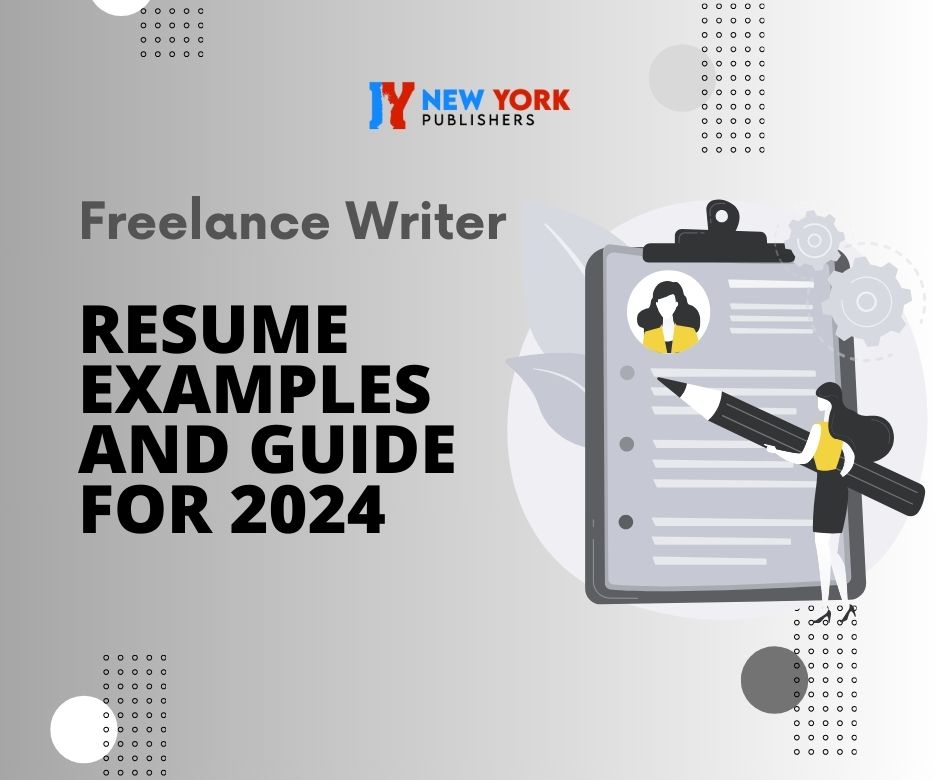
Are you a newcomer to freelance writing, eager to kickstart your journey in 2024? The journey can be thrilling and overwhelming, whether you’re just dipping your toes into freelance writing or gearing up for a fresh start.
Freelance writing is a job where individuals, known as freelance writers, work independently and offer their writing services to different clients. Having a strong resume is crucial for freelance writers.
It is a snapshot of your skills, experience, and achievements, helping potential clients quickly understand what you bring. A well-crafted freelance writer resume can make you stand out in a competitive market, attracting more clients and better opportunities.
How to Create a Freelance Writer Resume?
Crafting a standout freelance writer resume involves a summary highlighting your expertise, a section showcasing your education and relevant certifications, a diverse portfolio of writing samples, and a concise experience section emphasizing key accomplishments and clients.
Ensure the resume is error-free, visually appealing, and tailored to each job application for maximum impact.
1. Personal Information:
Start your resume by providing basic details like your full name, contact information, and, if applicable, a link to your professional portfolio or website. Make sure it’s easy for potential clients to reach out to you.
2. Professional Summary:
Craft a brief professional summary highlighting your key skills and experiences as a freelance writer. This section should give clients a snapshot of what you bring and why they should choose you.
3. Showcase Your Skills:
Underline your writing skills prominently. Include general writing skills (like research, editing, and proofreading) and any specialized skills you possess (such as SEO writing, content marketing, or technical writing).
4. Highlight Relevant Experience:
Detail your freelance writing experience. Mention specific projects you’ve worked on, clients you’ve collaborated with, and the types of content you’ve created. If you’re just starting, focus on relevant writing experience, even from non-freelance roles.
5. Education Background:
Provide information about your educational background. Mention any degrees, certifications, or relevant courses that showcase your expertise in writing or a specific niche.
6. Include a Portfolio Section:
If you have a portfolio or writing samples, create a dedicated section or provide a link. This allows potential clients to assess the quality and diversity of your work.
7. Use a Clean Format:
Ensure your freelance writer resume is easy to read. Use a clean, professional format with clear headings and bullet points. Avoid using overly elaborate designs that may distract from the content.
8. Include Keywords:
Incorporate relevant keywords from the job description. Many clients use applicant tracking systems (ATS), and using the right keywords can help your resume get noticed.
9. Provide References or Testimonials:
Include references or testimonials from previous clients if possible. Positive feedback adds credibility to your profile and builds trust with potential clients.
Adjusting Resumes to Fit Different Clients’ Needs
Tailoring your resume for different clients is vital for effective communication. Analyze each client’s needs, emphasizing relevant skills and experiences in your resume. Hiring professional writing services like NYC Publishers to write your resume is better.
Customizing Resumes for Various Writing Niches
When customizing resumes for various writing niches, it’s crucial to acknowledge each niche’s unique demands and preferences.
Begin by thoroughly understanding the specific requirements of the job or project, emphasizing your relevant skills, experiences, and achievements in alignment with those needs.
Use niche-specific language to showcase your understanding and make your freelance writer resume resonate with potential clients in that specific writing field.
Addressing Specific Client Requirements
To stand out to different clients, address their specific requirements directly. Tailor your resume to emphasize the skills and experiences that match what the client is seeking.
Highlight your proficiency if a client values certain writing styles, tones, or specific project types.
Creating a General Template for Quick Adaptation
While customization is crucial, having a general resume template serves as a foundation for quick adaptation.
It streamlines the customization process, ensuring efficiency while allowing you to maintain a consistent and professional representation of your skills across various applications.
Strategies for Addressing Resume Gaps
Addressing gaps in your resume is a common concern, but you can present a comprehensive and positive professional narrative with strategic approaches.
- Be honest about the gaps. So, transparency is the key. Briefly explain the reasons for the gap in your freelance writer resume. Honesty builds trust with potential employers.
- If applicable, include any freelance, contract, or volunteer work you undertook during the gap. This demonstrates your commitment to staying active in your field and acquiring new experiences.
- Highlight any professional development activities, workshops, or courses you participated in during the gap. This illustrates your commitment to continuous learning and skill improvement.
- Mention any networking events, conferences, or industry associations you engaged with during the gap.
- Use your cover letter to concisely explain the gap and reassure employers about your commitment and readiness to re-enter the workforce.
- Emphasize soft skills such as adaptability, resilience, and problem-solving. These qualities are valuable in any work setting and can help mitigate concerns about a resume gap.
Maintaining a Clean and Professional Resume Format
Crafting a resume with a clean and professional format is essential to make a strong first impression. Therefore, follow these tips to ensure your resume is visually appealing and effectively communicates your qualifications:
Choose a Simple Font:
Opt for a clean, easy-to-read font such as Arial, Calibri, or Times New Roman. Similarly, use a consistent font throughout the document to maintain a professional appearance.
Organize with Clear Headings:
Use clear and bold headings to divide sections. This makes it easy for employers to navigate and locate specific information quickly.
Set Margins and Spacing:
Maintain consistent margins (usually 1 inch) and spacing to give your resume a balanced and polished look. Therefore, ensure there is enough white space to avoid overcrowding the document.
Use Bulleted Lists:
Present information in concise, bulleted lists. However, this format enhances readability and allows employers to scan your qualifications efficiently.
Consistent Formatting:
Maintain consistent formatting for dates, job titles, and other details. Uniformity in presentation contributes to a professional and organized appearance.
Choose Appropriate Font Sizes:
Use varied font sizes to create a hierarchy. Typically, your name should be the largest, section headings slightly smaller, and body text even smaller. Therefore, this adds visual appeal and structure.
Utilize Bold and Italics Sparingly:
Reserve bold and italics for emphasis. Use them sparingly to highlight key achievements or section headings, ensuring they contribute to readability rather than causing visual clutter.
Limit the Use of Colors:
While a pop of color can be eye-catching, limiting color use in a resume is advisable. Therefore, stick to a professional color palette and use color strategically.
Consistent Bullet Point Style:
Maintain a consistent style for bullet points throughout the resume. Whether you use dots, dashes, or other symbols, uniformity enhances visual coherence.
Consider a Modern Template:
Explore modern and professional resume templates that align with your industry. Many word processors and online platforms offer templates that combine aesthetics with readability.
PDF Format for Distribution:
Save your resume in PDF format before sending it to employers. This ensures that the formatting remains consistent across different devices and platforms.
Conclusion:
Crafting a standout freelance writer resume for 2024 is all about showcasing your skills, experiences, and unique writing style in a clear and organized manner. Remember to customize your resume for different opportunities, tailoring it to the specific needs of each client or niche. Keep it simple, use a clean format, and highlight your best work. Best of luck in your freelance writing endeavors!